

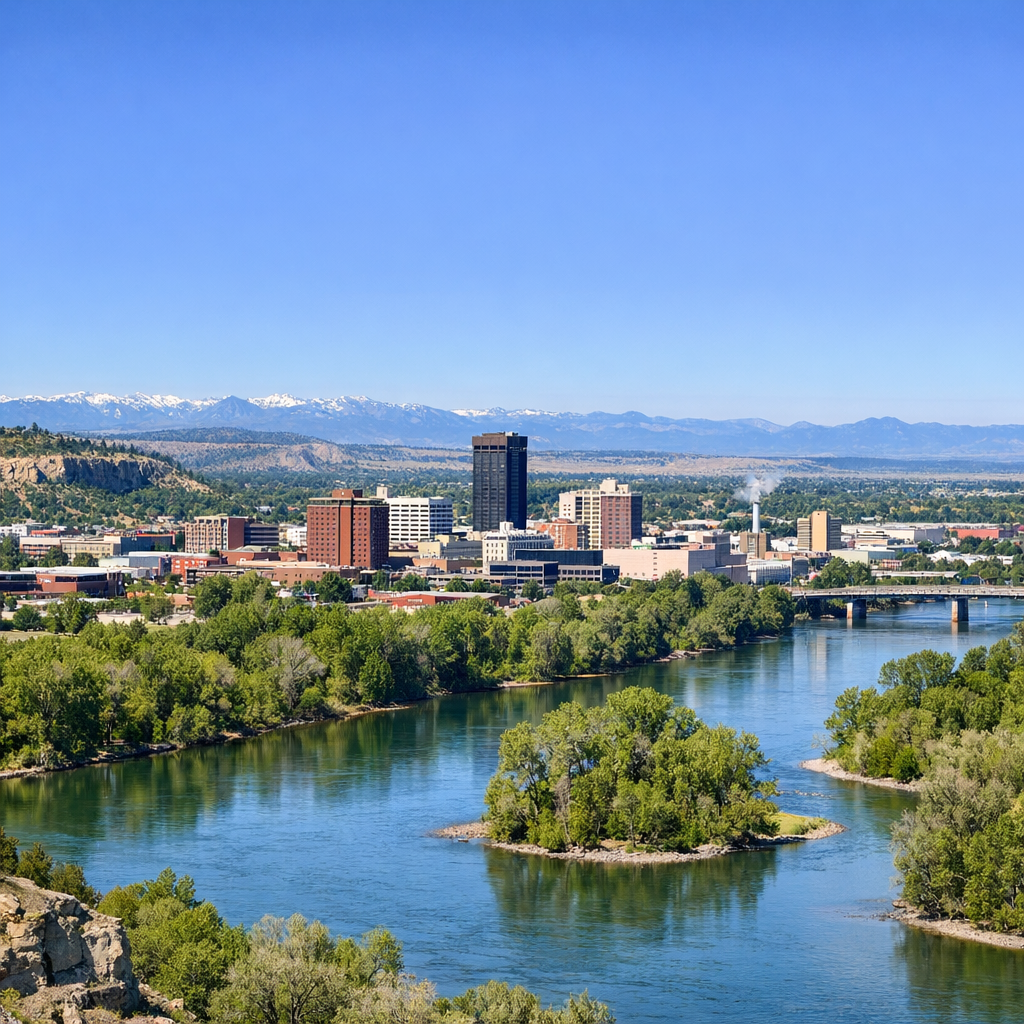
Billings, Montana, offers a distinctive climate characterized by its semi-arid conditions, marked by hot summers and cold winters. Understanding these patterns is essential for residents to navigate and appreciate the city’s diverse weather.
Seasonal Overview
Winter
Winters in Billings are cold and snowy, with average low temperatures around 17.9°F in January. Snowfall averages 46 inches annually, often accompanied by Chinook winds that can rapidly warm temperatures, leading to frequent thawing periods. This variability means that while snow is common, it rarely accumulates to significant depths for extended periods.
Spring
Spring brings a mix of weather conditions, from unseasonably warm stretches to wet snowfalls. Average high temperatures in April reach 56.9°F, with increased precipitation averaging 1.7 inches. This season is marked by rejuvenation, as perennials sprout and the landscape begins to green.
Summer
Summers are typically hot and dry, with average high temperatures peaking at 87.3°F in July. The season is characterized by clear skies and low humidity, making it ideal for outdoor activities. However, residents should be prepared for occasional heatwaves, with temperatures sometimes exceeding 90°F.
Autumn
Autumn sees a gradual cooling, with average high temperatures in October around 58.8°F. This season offers a comfortable transition between the extremes of summer and winter, with moderate temperatures and reduced precipitation.
Environmental Considerations
Billings’ climate and geography contribute to specific environmental factors that residents should be aware of:
- Air Quality: The city’s location in a river valley can lead to temperature inversions, trapping pollutants close to the ground and affecting air quality, especially during winter months.
- Water Quality: The Yellowstone River, a primary water source, has faced challenges due to upstream industrial activities. While the city’s water treatment facilities work to ensure safe drinking water, ongoing monitoring is essential to address contaminants like arsenic and disinfection byproducts.
- Superfund Sites: Areas like the Billings PCE site have been identified for environmental cleanup due to historical contamination. Residents should stay informed about remediation efforts and any potential health advisories.
Preparing for Billings’ Climate
To adapt to the city’s climate, residents can take several steps:
- Home Insulation: Proper insulation helps maintain indoor temperatures during both hot summers and cold winters, improving energy efficiency.
- Seasonal Wardrobe: Investing in clothing suitable for a wide range of temperatures ensures comfort throughout the year.
- Emergency Preparedness: Being ready for sudden weather changes, such as snowstorms or heatwaves, is crucial. This includes having emergency kits and staying informed through local weather updates.
By understanding and preparing for the unique climate of Billings, residents can fully enjoy the natural beauty and diverse weather patterns the city offers.