

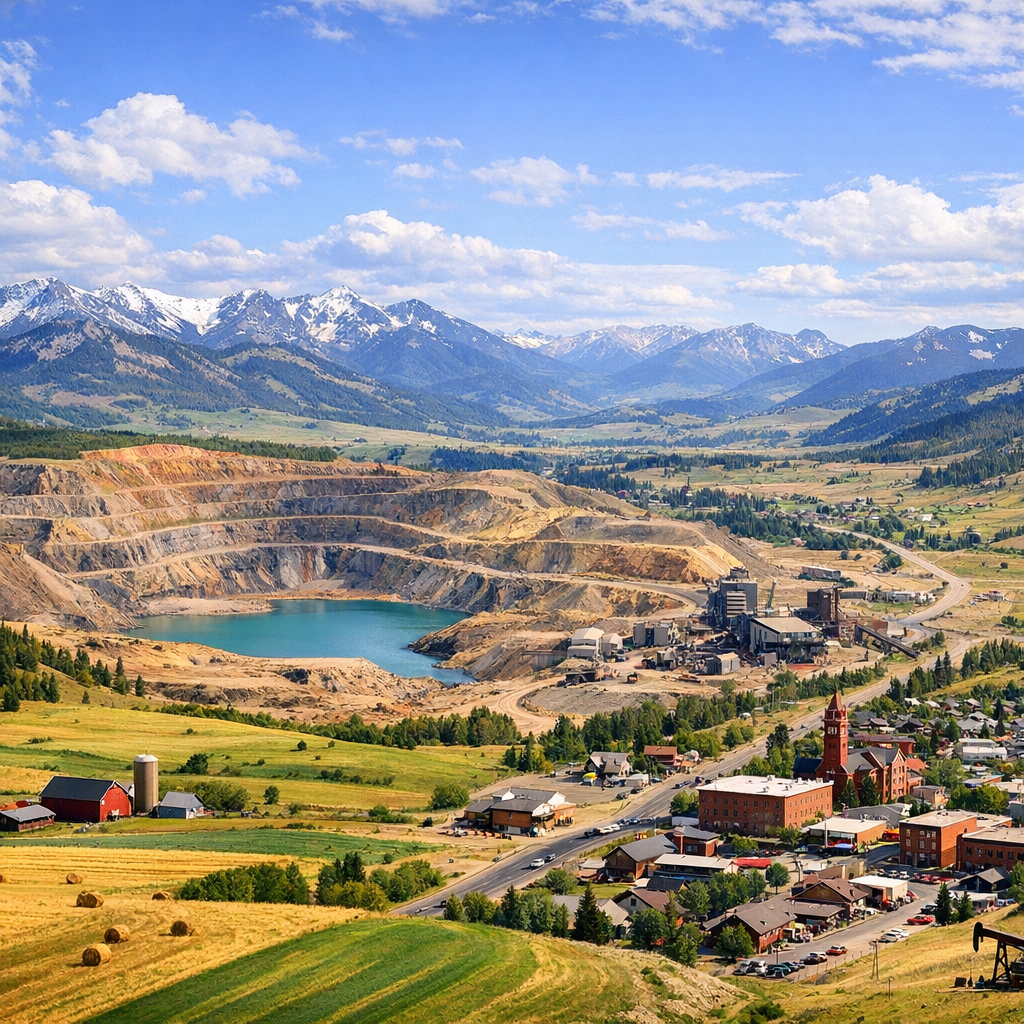
Montana, often referred to as the “Treasure State,” has long played a distinctive role in the broader tapestry of American politics and economy. Its vast landscapes, rich resources, and unique political culture have positioned it as both a contributor to and a reflection of national trends.
Economic Contributions
Historically, Montana’s economy has been deeply rooted in primary industries such as agriculture, mining, and energy production. The state is a leading producer of wheat, particularly in its eastern prairies, and boasts significant cattle and sheep ranching operations. Additionally, Montana’s abundant natural resources have made it a key player in the mining sector, with substantial deposits of coal, oil, and natural gas. These industries not only supply essential commodities to the nation but also influence national energy policies and agricultural markets.
In recent years, tourism has emerged as a significant economic driver. Attractions like Glacier National Park and Yellowstone National Park draw millions of visitors annually, contributing to the state’s economy and showcasing Montana’s natural beauty to the nation and the world.
Political Landscape
Montana’s political scene is characterized by a blend of conservative and progressive ideologies, reflecting a populace that values both individual liberties and community welfare. This dynamic has led to a history of electing officials from both major political parties, making Montana a bellwether for national political shifts.
The state’s vast geography and sparse population present unique challenges in political representation and governance. With a population of just over 1 million residents spread across 56 counties, delivering services and ensuring representation requires innovative approaches. This has fostered a political culture that emphasizes local control and grassroots involvement.
Challenges and Opportunities
Despite its contributions, Montana faces challenges that resonate on a national scale. Economic dependence on resource extraction industries makes the state vulnerable to market fluctuations and environmental concerns. Additionally, balancing economic development with environmental preservation remains a contentious issue, reflecting broader national debates.
However, these challenges also present opportunities. Montana’s commitment to education, innovation, and sustainable practices positions it to adapt and thrive in a changing economic landscape. By leveraging its unique strengths and addressing its challenges head-on, Montana continues to play a vital role in shaping the nation’s political and economic future.