

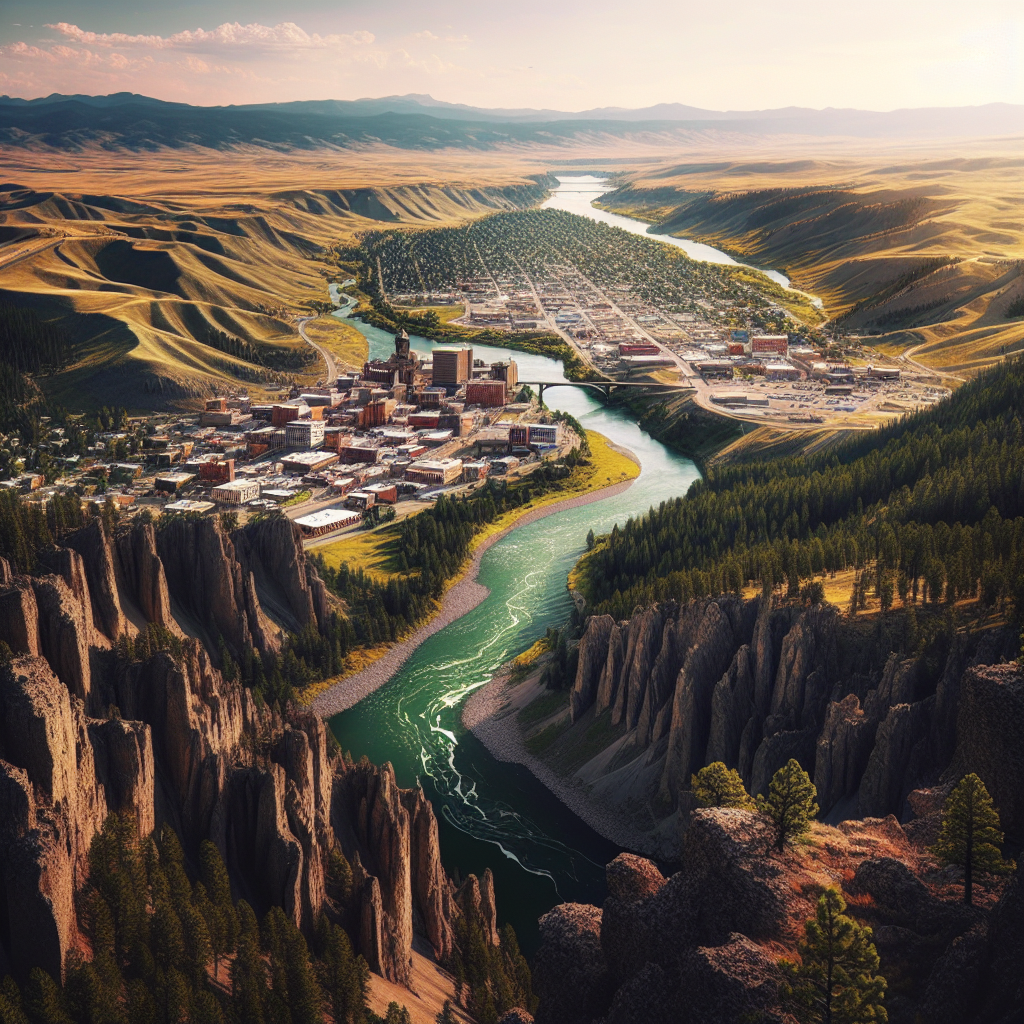
Billings, Montana, offers a distinctive climate shaped by its geographical location and topographical features. Understanding these elements is essential for residents and visitors alike.
Geographical and Topographical Influences
Situated in south-central Montana, Billings lies within the Yellowstone River Valley and is bordered by the Rimrocks—sandstone cliffs rising 300 to 500 feet above the city. This unique setting contributes to the city’s semi-arid climate, characterized by significant temperature variations and relatively low precipitation levels. The elevation of approximately 3,100 feet above sea level results in cooler temperatures compared to lower elevations at similar latitudes. Additionally, the surrounding topography influences local weather patterns, including wind flow and temperature fluctuations.
Seasonal Climate Patterns
Billings experiences distinct seasonal changes:
Winter
Winters are cold, with average temperatures around 27°F in January. Snowfall averages 46 inches annually, though accumulation is often limited due to frequent thawing periods. The city’s location in the Yellowstone River Valley provides some shelter from harsher winter conditions experienced in other northern regions.
Spring
Spring brings variable weather, including unseasonably warm stretches and wet snowfall. This season is marked by rejuvenation, with perennials sprouting and grass greening.
Summer
Summers are warm, with average high temperatures reaching 85°F in July. Despite the heat, the semi-arid climate ensures low humidity levels, making summer days more comfortable. The city enjoys approximately 205 sunny days per year, providing ample opportunities for outdoor activities.
Fall
Fall is characterized by cooler temperatures and the first frost typically arriving at the end of September. The season offers pleasant conditions for outdoor events and activities.
Environmental Considerations
Billings’ climate is influenced by various environmental factors:
Air Quality
The presence of two major oil refineries within city limits contributes to air quality concerns, particularly during winter temperature inversions when pollutants can become trapped in the valley. Residents with respiratory sensitivities should be aware of these conditions.
Water Quality
The Yellowstone River, from which Billings sources its drinking water, is generally of good quality. However, spring runoff can increase turbidity and sediment levels, while late-summer low flows may concentrate contaminants. The city’s water treatment processes address these seasonal variations to ensure safe drinking water.
Climate Change Impacts
Over the past 16 years, Billings has experienced measurable shifts in key climate parameters, contributing to a current climate change severity score of 67 out of 100, indicating very high severity. Notable changes include a temperature increase of approximately 4°C and a 2.3% variation in annual rainfall. These indicators suggest worsening climate conditions, necessitating adaptation and mitigation strategies to address potential impacts on the community.
Understanding Billings’ climate and environmental factors is crucial for making informed decisions about daily activities, health considerations, and long-term planning. Staying informed and proactive can help residents and visitors alike navigate the unique weather patterns and environmental challenges of the region.