
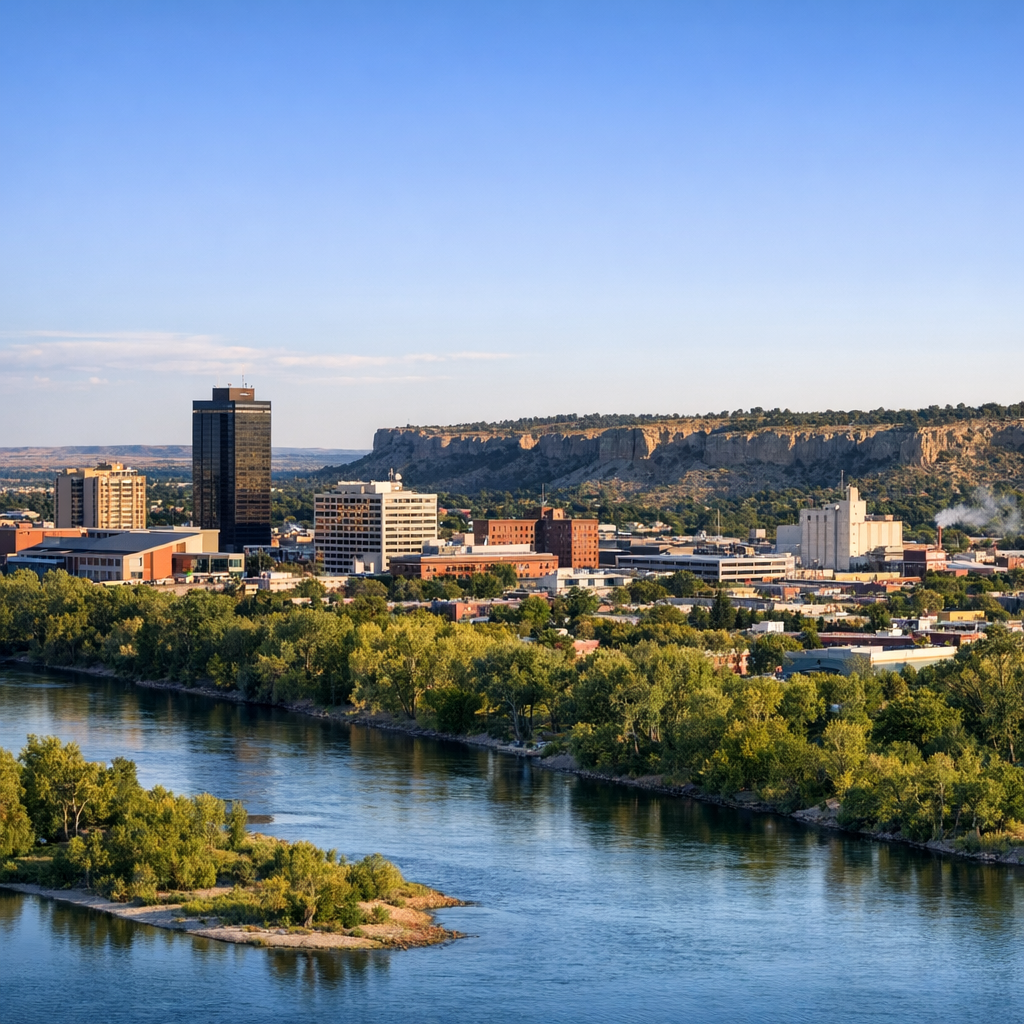
Billings, Montana, offers a distinctive climate characterized by its semi-arid conditions, marked seasonal variations, and unique environmental factors. Understanding these patterns is essential for residents and visitors alike to navigate and appreciate the city’s diverse weather.
Seasonal Weather Patterns
Winter
Winters in Billings are cold and snowy, with average low temperatures around 14.5°F (-9.7°C) in January. Snowfall averages 46 inches annually, often accompanied by Chinook winds that can rapidly warm temperatures, leading to frequent thawing periods. This variability means that while snow is common, it rarely accumulates to significant depths for extended periods.
Spring
Spring brings a mix of weather conditions, from unseasonably warm stretches to wet snowfalls. Average high temperatures in April reach 59.9°F (15.5°C), with increased precipitation averaging 1.86 inches (47.24 mm). This season is marked by rejuvenation, with perennials sprouting and landscapes greening.
Summer
Summers are warm and dry, with average high temperatures peaking at 88.9°F (31.6°C) in July. Rainfall during this period is relatively low, averaging 1.31 inches (33.27 mm) in July, contributing to the semi-arid climate. The city enjoys approximately 205 sunny days per year, providing ample opportunities for outdoor activities.
Autumn
Autumn sees a gradual cooling, with average high temperatures in October around 62.1°F (16.7°C). Precipitation remains moderate, averaging 1.51 inches (38.35 mm), and the season is often characterized by clear skies and comfortable temperatures.
Environmental Considerations
Air Quality
Billings’ air quality is influenced by both natural and industrial factors. The Montana Department of Environmental Quality monitors air quality, including emissions from local industries such as the Phillips 66 Refinery. Residents are encouraged to stay informed about air quality reports, especially during periods of increased industrial activity or natural events like wildfires.
Water Quality
The city’s water supply, sourced from the Yellowstone River, undergoes regular testing to ensure safety. While Billings’ water complies with federal health-based drinking water standards, certain contaminants like arsenic have been detected at levels above health guidelines, though still below federal legal limits. Ongoing monitoring and treatment efforts aim to address these concerns and maintain water quality.
Superfund Sites
Environmental remediation efforts are ongoing in areas like the Billings PCE Superfund site, where historical industrial activities led to groundwater contamination. The EPA has proposed plans to mitigate health risks, including installing mitigation systems in affected homes and businesses to reduce exposure to harmful chemical vapors. Community members are encouraged to participate in public meetings and stay informed about cleanup progress.
By understanding Billings’ climate and environmental factors, residents and visitors can better prepare for the city’s diverse conditions and contribute to ongoing efforts to maintain a healthy environment.