

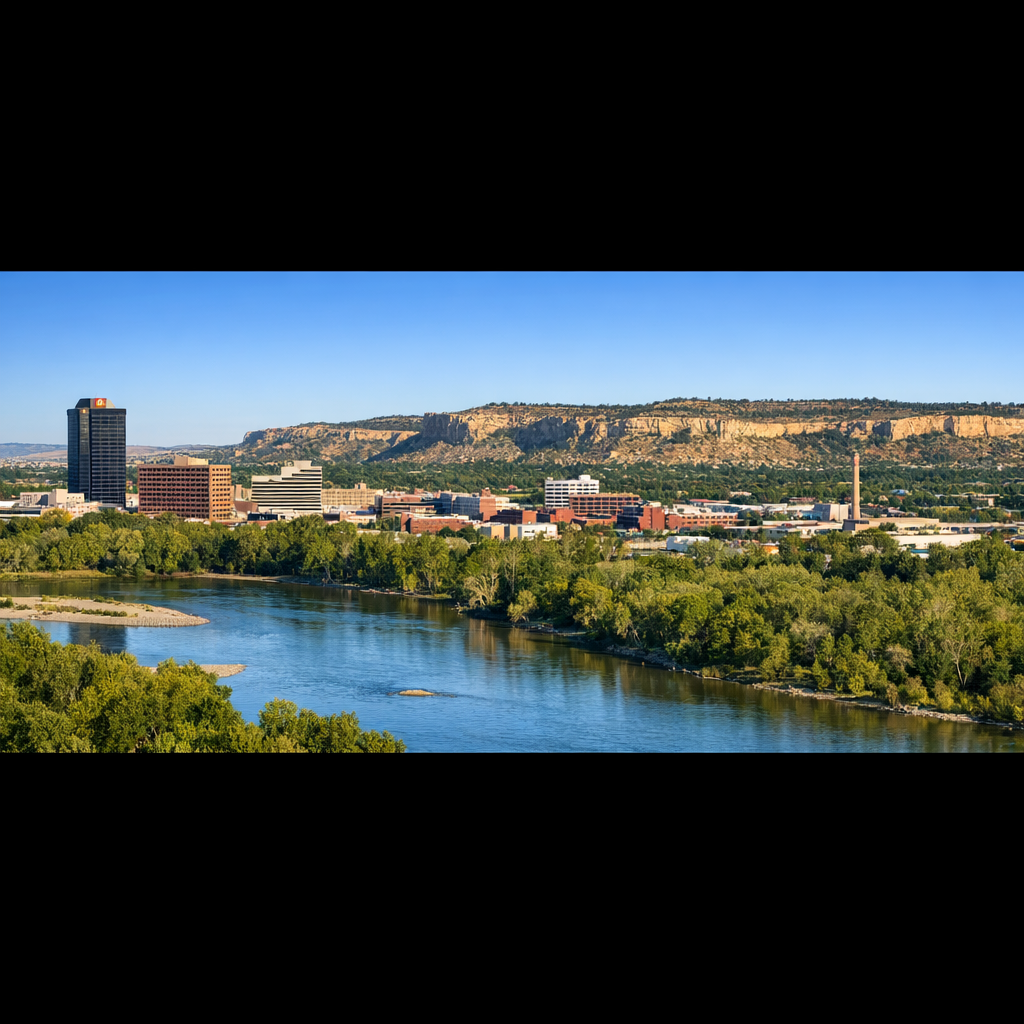
Billings, Montana, experiences a semi-arid climate characterized by hot summers and cold winters. Understanding these patterns can help residents and visitors prepare for the varying conditions throughout the year.
Seasonal Overview
Winter (December to February)
Winters in Billings are cold, with average high temperatures around 36°F (2°C) and lows near 19°F (-7°C). Snowfall is common, averaging 46 inches annually, which is higher than the national average of 28 inches. Residents should be prepared for freezing temperatures and snowy conditions during these months.
Spring (March to May)
Spring brings a gradual warming trend. March sees average highs of 50°F (10°C), increasing to 67°F (19°C) by May. This season also marks an increase in precipitation, with May averaging 2.4 inches of rainfall, making it one of the wetter months. It’s advisable to have rain gear handy during this period.
Summer (June to August)
Summers are typically hot and dry. July is the warmest month, with average highs reaching 87°F (31°C). Rainfall is minimal, averaging around 1.2 inches in July. The low humidity and abundant sunshine make it ideal for outdoor activities, but it’s important to stay hydrated and protect against sun exposure.
Fall (September to November)
Fall sees a gradual cooling, with September highs averaging 74°F (23°C) and November dropping to 46°F (8°C). Precipitation remains moderate, with October averaging 1.4 inches. This season offers comfortable temperatures and is a great time to enjoy the changing foliage.
Environmental Considerations
Billings’ climate influences local environmental factors. The semi-arid conditions contribute to a unique ecosystem that residents and visitors should be mindful of. Additionally, the city has faced environmental challenges, such as the Billings PCE Superfund site, where efforts are ongoing to mitigate health risks associated with groundwater contamination. Staying informed about local environmental issues is crucial for community well-being.
By understanding Billings’ climate and environmental factors, individuals can better prepare for seasonal changes and contribute to the community’s resilience.